Cold Laser Therapy For Dogs: When to Consider This Therapy
Wiki Article
How Cold Laser Therapy for Canines Promotes Faster Healing and Enhances Wheelchair
Cold laser therapy is gaining traction as a reliable therapy for pet dogs recuperating from injuries and surgical procedures (Cold Laser Therapy For Dogs). By promoting cellular feature and boosting blood circulation, this non-invasive strategy help in reducing inflammation and pain. Several pet dog owners report visible improvements in their pets' flexibility and high quality of life. Recognizing the ins and outs of this therapy and its advantages is vital for making notified decisions about canine care. What precisely does the process require?What Is Cold Laser Treatment and Exactly How Does It Work?
Cold laser therapy, additionally referred to as low-level laser treatment (LLLT), is a non-invasive therapy that uses certain wavelengths of light to promote recovery and lower pain in pet dogs. This method employs low-power lasers or light-emitting diodes (LEDs) to penetrate the skin and promote cellular function. By targeting soft tissues, the treatment improves blood flow, urges tissue fixing, and lowers swelling.The mechanism behind chilly laser therapy entails the absorption of photons by the cells, which activates various biochemical processes. This excitement leads to increased ATP manufacturing, boosting cellular metabolic process and speeding up the recovery process. Because of this, canines undertaking this therapy might experience minimized discomfort and swelling, boosted flexibility, and improved recovery times. It is frequently made use of to treat a range of problems, including joint inflammation, post-surgical pain, and injuries. The non-invasive nature of the treatment makes it a risk-free alternative for many canine clients looking for alleviation.
Advantages of Cold Laser Therapy for Pets
While many pet owners look for efficient pain relief alternatives for their dogs, chilly laser treatment uses a range of benefits that can considerably boost a canine's quality of life. This non-invasive treatment advertises recovery by boosting mobile feature and increasing blood flow, which can bring about much faster recuperation from surgical treatments or injuries. Furthermore, the therapy can reduce inflammation and relieve discomfort, allowing canines to restore flexibility and engage in exercises more easily.Cold laser treatment is typically well-tolerated and additionally secure, making it appropriate for pet dogs of all sizes and ages. It may help in reducing the demand for medicines, decreasing prospective negative effects connected with drugs. Moreover, many dogs experience relaxation during treatment sessions, adding to general well-being. By including cold laser therapy right into their treatment regimen, pet owners may observe significant renovations in their pets' physical problem and joy, eventually cultivating a more powerful bond between them.
Conditions Treated With Cold Laser Treatment
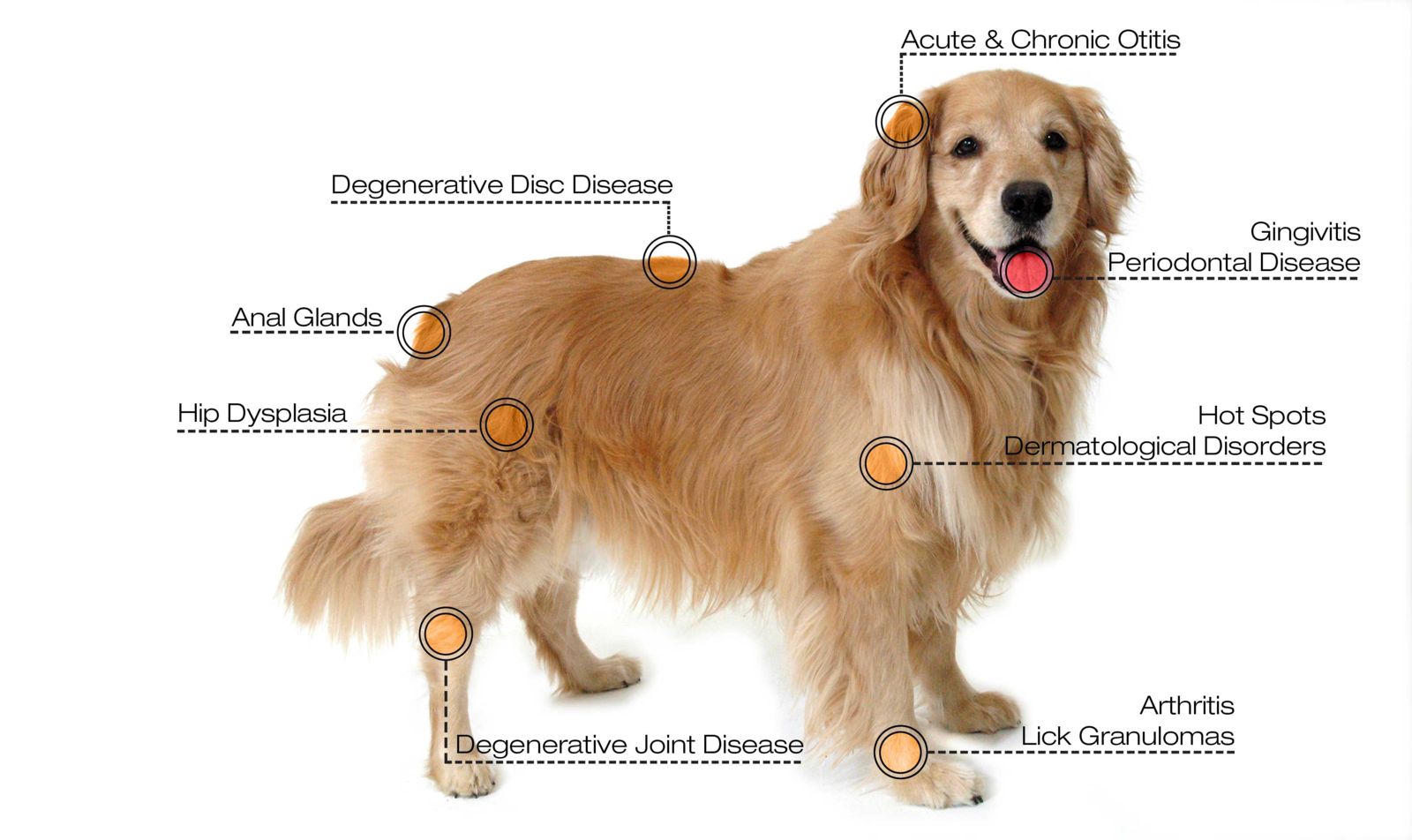
Many problems impacting dogs can be efficiently treated with cool laser therapy, as this innovative approach addresses both chronic and intense concerns. This treatment is particularly helpful for taking care of discomfort linked with arthritis, hip dysplasia, and other degenerative joint conditions. It advertises healing in soft cells injuries, such as strains and strains, and help recuperation from surgical treatments.In addition to musculoskeletal troubles, chilly laser therapy can also reduce signs of swelling and aid in injury recovery. Conditions like bursitis, nerve, and tendonitis injuries respond well to this non-invasive therapy. Cold laser therapy can be efficient in handling chronic problems such as intervertebral disc condition and specific skin-related concerns. The versatility of this therapy makes it an important choice for vets, aiding dogs regain wheelchair and boost their total high quality of life.
The Therapy Process: What to Anticipate
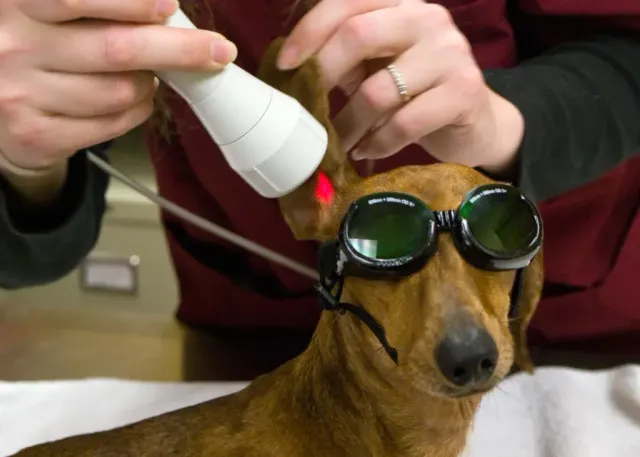
The laser passes through the skin, stimulating mobile activity and advertising healing without creating pain. The majority of canines stay tranquil and loosened up during the session, with some also appreciating the warmth of the laser.
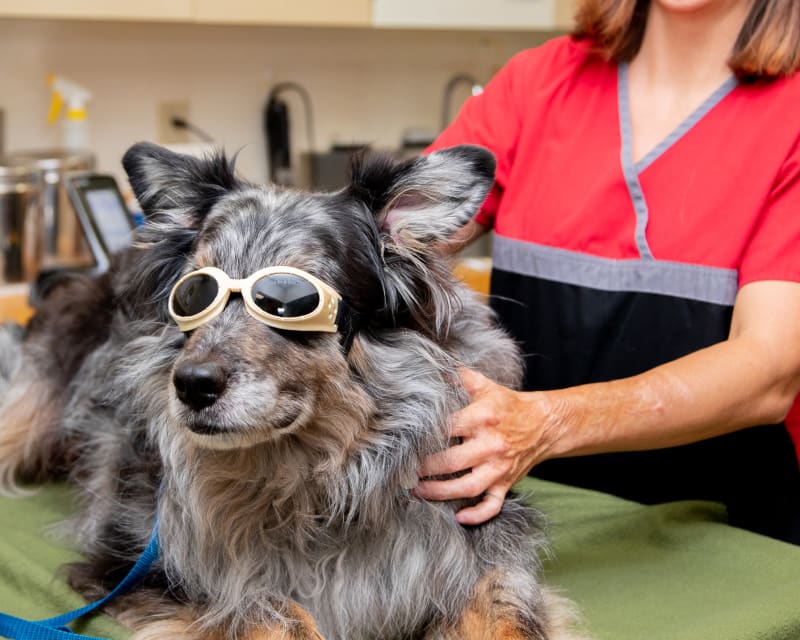
Procedure might be duplicated numerous times a week, depending upon the problem being dealt with and the veterinarian's suggestions. Throughout the therapy procedure, pet proprietors are encouraged to observe their canine's feedback and communicate any kind of worries. This collaborative approach guarantees that both the owner and the family pet feel notified and engaged in the recovery trip.
Comparing Cold Laser Treatment to Standard Treatments
When contrasting cold laser treatment to conventional therapies for pet dogs, the distinctions in system of activity are significant. Cold laser treatment advertises healing at a cellular level without the intrusive results usually associated with traditional approaches - Cold Laser Therapy For Dogs. In addition, recovery times may differ, with chilly laser therapy potentially offering quicker recovery benefitsMechanism of Action
Conventional therapies for injuries and discomfort in canines commonly count on pharmaceuticals and invasive treatments, cool laser treatment offers a non-invasive choice that advertises recovery via a various mechanism of activity. This treatment utilizes low-level lasers to pass through the skin, promoting cellular functions such as ATP production, which boosts basal metabolism in cells. Enhanced circulation and reduced inflammation are additionally vital results, as the laser promotes vasodilation and motivates the release of endorphins. Unlike traditional techniques, which may mask pain or require medical treatment, cool laser therapy addresses the hidden sources of pain, assisting in all-natural healing procedures. This one-of-a-kind strategy permits boosted healing times and far better wheelchair, making it a favorable alternative for managing canine injuries.Healing Time Comparison
While conventional therapies for injuries in pets typically involve much longer recuperation times as a result of their invasive nature and reliance on drugs, cold laser therapy can greatly quicken the healing process. Research studies show that pet dogs obtaining cool laser treatment experience considerably much shorter recovery durations compared to those going through standard approaches. Traditional treatments may take weeks or even months, typically accompanied by side effects from medications. In comparison, cold laser treatment promotes tissue repair service and reduces inflammation without the need for intrusive procedures or medications. This non-invasive strategy not just accelerates healing but additionally enhances flexibility extra promptly, allowing canines to go back to their normal tasks faster. Animal owners progressively choose for cold laser therapy as an efficient alternative for their canine friends.Success Stories: Canine Healing With Cold Laser Therapy
Numerous canines have experienced remarkable healing journeys with cool laser treatment, showcasing the therapy's capacity. Pet dog proprietors have actually reported significant renovations in their canines' mobility, allowing them to take part in tasks they when enjoyed. These success stories highlight the efficiency of cool laser therapy as a useful choice for canine healing.Impressive Healing Journeys
Extremely, numerous pets have actually experienced transformative healings with cold laser treatment, showcasing its efficiency in reducing pain and promoting healing. One notable instance included a golden retriever called Max, who battled with serious joint inflammation. After a number of sessions of cool laser therapy, his owners reported a substantial reduction in his pain, allowing him to resume his everyday walks. Bella, a dachshund with a history of back injuries, presented impressive enhancement. Following her treatment, she regained toughness and mobility, enabling her to play again. These success stories illustrate how cool laser treatment not just addresses pain monitoring however also fosters a healing environment, empowering canines to redeem their sprightliness and take pleasure in a far better lifestyle.Boosted Flexibility Instances
The positive results of cool laser treatment extend beyond discomfort relief, significantly boosting movement in canines. Various success stories highlight check this the transformative impacts of this therapy. A Labrador retriever named Max, formerly struggling with arthritis, reclaimed his capability to run and play after numerous sessions, a lot to his owner's delight. Similarly, Bella, a German guard additional resources recouping from surgical treatment, showed considerable improvement in her variety of activity and was quickly able to delight in long strolls once again. Furthermore, a senior beagle called Sissy demonstrated enhanced dexterity and enthusiasm in her everyday activities post-therapy, causing a better quality of life. These instances emphasize the performance of cool laser treatment in promoting movement and total health in pet dogs.Frequently Asked Questions
Is Cold Laser Treatment Safe for All Dog Breeds?
Cold laser therapy is generally taken into consideration risk-free for all pet dog breeds. Nevertheless, it is necessary to seek advice from a veterinarian before treatment, as private health problems and sensitivities may affect its suitability for details pets.For how long Does Each Cold Laser Therapy Session Last?
Each chilly laser therapy session commonly lasts between 10 to half an hour, relying on the details treatment objectives and the pet dog's condition. The vet will certainly determine the ideal duration based upon private needs and reaction.Can Cold Laser Treatment Be Mixed With Other Treatments?
The Number Of Sessions Are Typically Needed for Obvious Results?
Exist Any Type Of Negative Effects Related To Cold Laser Therapy?
Cold laser treatment is generally considered risk-free, with minimal side effects. Sometimes, animals may experience light pain or momentary swelling at the treatment site, yet serious negative reactions are rare and generally solve promptly.Cold laser treatment, likewise understood as low-level laser therapy (LLLT), is a non-invasive treatment that utilizes certain wavelengths of light to advertise recovery these details and reduce pain in canines. While several pet owners look for effective discomfort relief choices for their dogs, cold laser therapy supplies a range of benefits that can considerably enhance a canine's high quality of life. Traditional therapies for injuries and pain in dogs typically count on pharmaceuticals and intrusive procedures, cool laser treatment supplies a non-invasive option that advertises recovery through a various mechanism of action. While standard treatments for injuries in pet dogs frequently include longer recuperation times due to their invasive nature and dependence on drugs, cool laser treatment can significantly speed up the healing procedure. Cold laser treatment can certainly be combined with various other treatments, such as physical treatment or medicine.
Report this wiki page